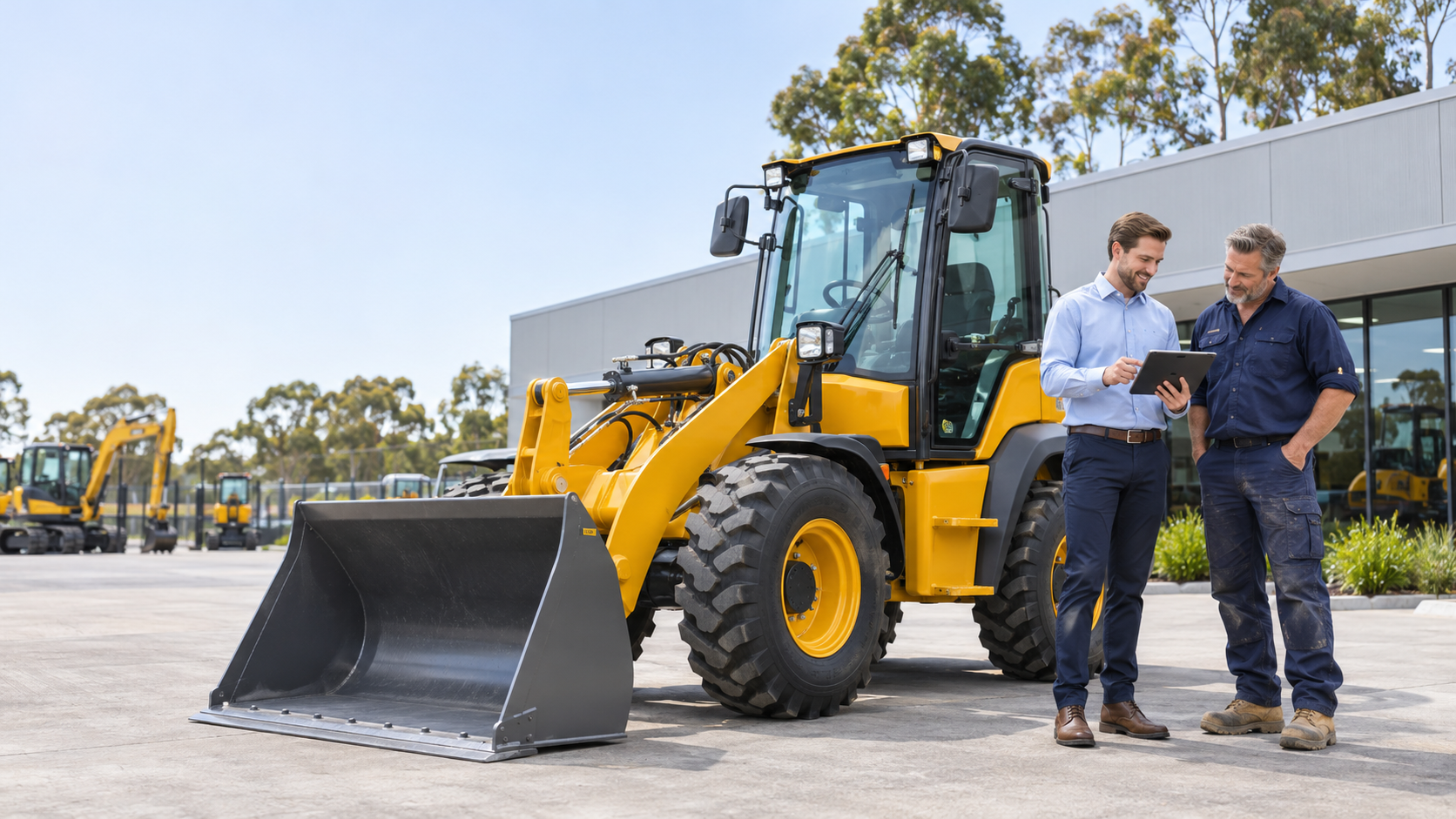
Adding equipment to your hire fleet is only part of the investment. You also need funds for servicing, transport, wages and the costs that continue between hires.
If equipment purchases and everyday expenses draw on the same funding facility, a fleet upgrade can leave less room to manage those operating demands.
A strong relationship with your business banker remains valuable. Alongside that relationship, specialist equipment finance can give you another way to fund fleet investment, with a clear purpose for each facility.
Give equipment funding and working capital different jobs
Equipment and operating expenses put different demands on your business.
An excavator, access platform or truck may generate income over several years. Wages, fuel and repairs need to be paid as they arise, sometimes before customer payments arrive.
A funding strategy considers those different timeframes. Fixed-term equipment finance can spread the cost of an asset over an agreed period, while a working capital facility helps manage shorter-term cashflow gaps.
Australian Government guidance explains that overdrafts can help bridge short-term cashflow gaps, but shouldn’t be relied on for capital purchases or long-term financing.
The aim is to assess each funding need before deciding which facility should carry it.
Understand the implications of relying on one lender
Using one bank can be convenient. Your banker knows the business, and having facilities together may simplify administration.
However, concentrating all borrowing with one lender can also narrow your options if its credit appetite, equipment criteria or available limits change.
For a hire business, that may become relevant when you want to:
- Add equipment to meet increased demand.
- Purchase used or specialised machinery.
- Replace several fleet units within a short period.
- Retain funding capacity for seasonal operating costs.
Exploring other lenders can provide alternatives. Whether those alternatives improve your position depends on the proposed terms, costs, security requirements and your ability to service the combined debt.
Work alongside your business banker
Bringing in an equipment finance broker doesn’t mean ending a productive banking relationship.
Your banker can continue supporting transactional banking and working capital, while your broker assesses fixed-term funding for plant, machinery, vehicles and trucks.
For example, a hire operator planning to purchase additional access equipment could assess a separate equipment facility rather than automatically drawing on its overdraft. That may leave more of the overdraft available for operating expenses, although the new equipment repayments still need to fit the business’s cashflow.
Any proposed arrangement also needs to account for existing security and lending conditions. Using another lender doesn’t automatically release security or increase your bank’s available limit.
Coordination between your broker, banker and accountant helps everyone understand the proposed structure and its implications.
Look beyond the monthly repayment
A funding strategy needs to consider how the fleet earns income and what the business can afford through quieter periods.
Before committing to equipment finance, review:
- Expected utilisation: How often is the equipment likely to be on hire?
- Operating costs: What will servicing, transport, storage and repairs require?
- Repayment commitments: How will the new facility sit alongside existing debt?
- Replacement plans: How long do you expect to keep the asset?
- End-of-term obligations: Is there a balloon payment, and how will it be addressed?
- Security and conditions: What assets, guarantees or other commitments are required?
These questions help connect the finance decision to the equipment’s commercial purpose.
Review the strategy as your fleet changes
A funding structure that suited your business two years ago may need attention after fleet growth, a change in utilisation or a shift in customer demand.
An annual review creates an opportunity to assess upcoming purchases, loan expiries, balloon payments and working capital requirements before they become urgent.
It can also identify information lenders may need for future applications. A review supports planning, although continued funding access remains subject to lender assessment and your circumstances.
How MKP can help
MKP works with hire businesses to assess equipment funding in the context of their wider operations.
Our funding strategy brings together industry insight, the rationale for funding choices, coordination with relevant stakeholders and annual reviews of your requirements.
Whether you’re expanding the fleet or planning replacements, we can work alongside your business banker and accountant to explore a structure suited to your plans.
Explore our finance services or contact the MKP team for an initial funding discussion at no cost and with no obligation.
Contact Us