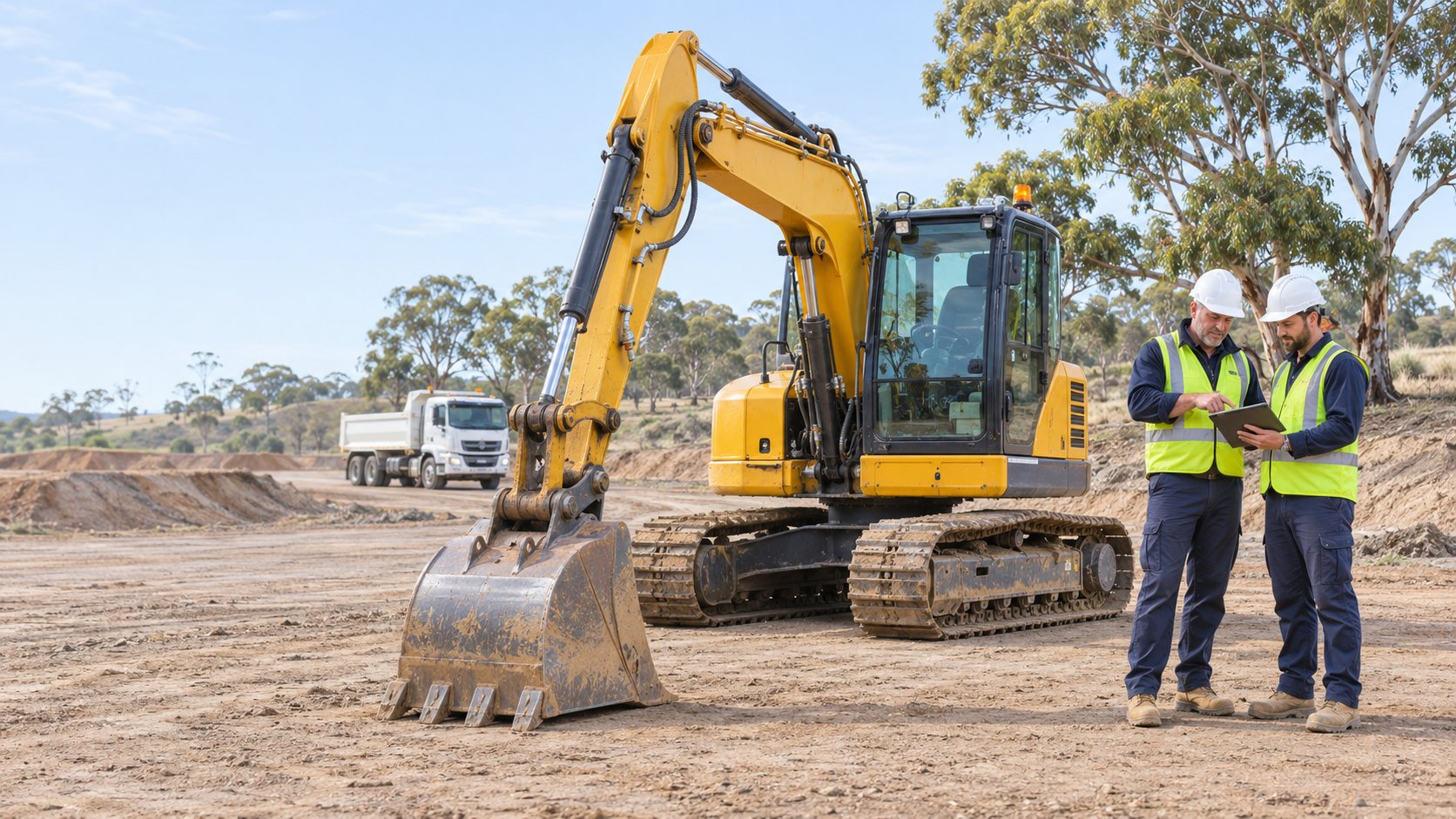
During harvest, machinery reliability and available cash both matter. A breakdown can interrupt work, while fuel, wages, contractors and transport costs continue to fall due.
Crop income may arrive on a different schedule. Even when the season is progressing well, the gap between paying expenses and receiving sale proceeds needs to be managed.
Whether you’re harvesting now or planning your next investment, reviewing machinery finance and working capital together can help you understand what funding you need and when.
Map the gap between harvest expenses and crop income
Start with the timing of money moving through the business.
List the expenses you expect to pay before crop-sale proceeds arrive. Depending on your operation, these may include:
- Fuel, lubricants and machinery servicing.
- Repairs, replacement parts and tyres.
- Seasonal wages and superannuation.
- Contractor and freight payments.
- Storage, insurance and supplier accounts.
- Existing loan repayments.
Compare those payment dates with your expected receipts. Allow for uncertainty around harvest progress, delivery and customer payment timing.
A productive harvest does not always mean cash is available when a bill falls due.
A cashflow forecast helps identify the size and likely duration of any gap, giving you a clearer starting point for a funding discussion.
Consider machinery purchases alongside operating costs
A tractor, harvester, header or implement may support the business over several seasons. Its purchase needs to be assessed differently from short-term harvest expenses.
Equipment finance can spread the purchase cost over an agreed term, retaining cash that would otherwise go towards an upfront purchase. However, repayments, interest, fees and any final balloon still need to fit the business’s financial position.
Before committing, discuss:
- How the equipment will be used and how long you expect to keep it.
- Whether new or used machinery better suits the requirement.
- The full purchase cost, including delivery and necessary attachments.
- The effect of repayments during lower-income periods.
- Existing machinery debt and any trade-in or payout arrangements.
The equipment purchase and the cash needed to operate it should be considered together.
Explore repayment options against your income cycle
Agricultural income can be seasonal, while many costs occur throughout the year.
Explain that pattern to your broker rather than assessing finance only against the repayment for a typical month. Depending on the lender, equipment and your circumstances, different repayment schedules may be available.
Compare the total cost and obligations of each option, including fees, security requirements and any balloon payment.
If a final payment relies on selling equipment or arranging further finance, consider how changes in resale value or lender requirements could affect that plan.
Include Payday Super in your cashflow forecast
Payday Super commenced on 1 July 2026. For eligible employees, super contributions generally need to reach their super fund within seven business days after payday, with longer timeframes applying in some circumstances.
For agricultural businesses employing seasonal staff, the timing of these payments needs to be included alongside wages and other harvest expenses.
If your business previously paid super quarterly, make sure the forecast reflects the more frequent payment cycle. Your accountant, registered tax or BAS agent and payroll provider can help confirm the requirements relevant to your workforce.
Harvest can also reveal what needs attention before the next cycle.
Record machinery that is becoming less reliable, equipment that limits capacity and major servicing that will be required. Review those needs alongside upcoming loan expiries, balloon payments and planned purchases.
Separating urgent requirements from future investments helps you prioritise the funding discussion.
If you’re also considering a personal purchase, raise it separately with your broker so the purpose and funding requirements are clear.
Talk through your requirements early
You don’t need a final machinery quote to start a conversation.
An outline of the equipment you’re considering, expected seasonal expenses, existing facilities and likely income timing can help establish what needs further assessment.
If a purchase is urgent, share the supplier’s payment requirements and delivery date at the outset. Finance assessment and settlement requirements still need to be completed before funds can be released.
MKP can help you explore machinery finance and working capital options in the context of your operation and plans.
Contact the MKP team to discuss your requirements, or explore our business finance services.
Contact Us