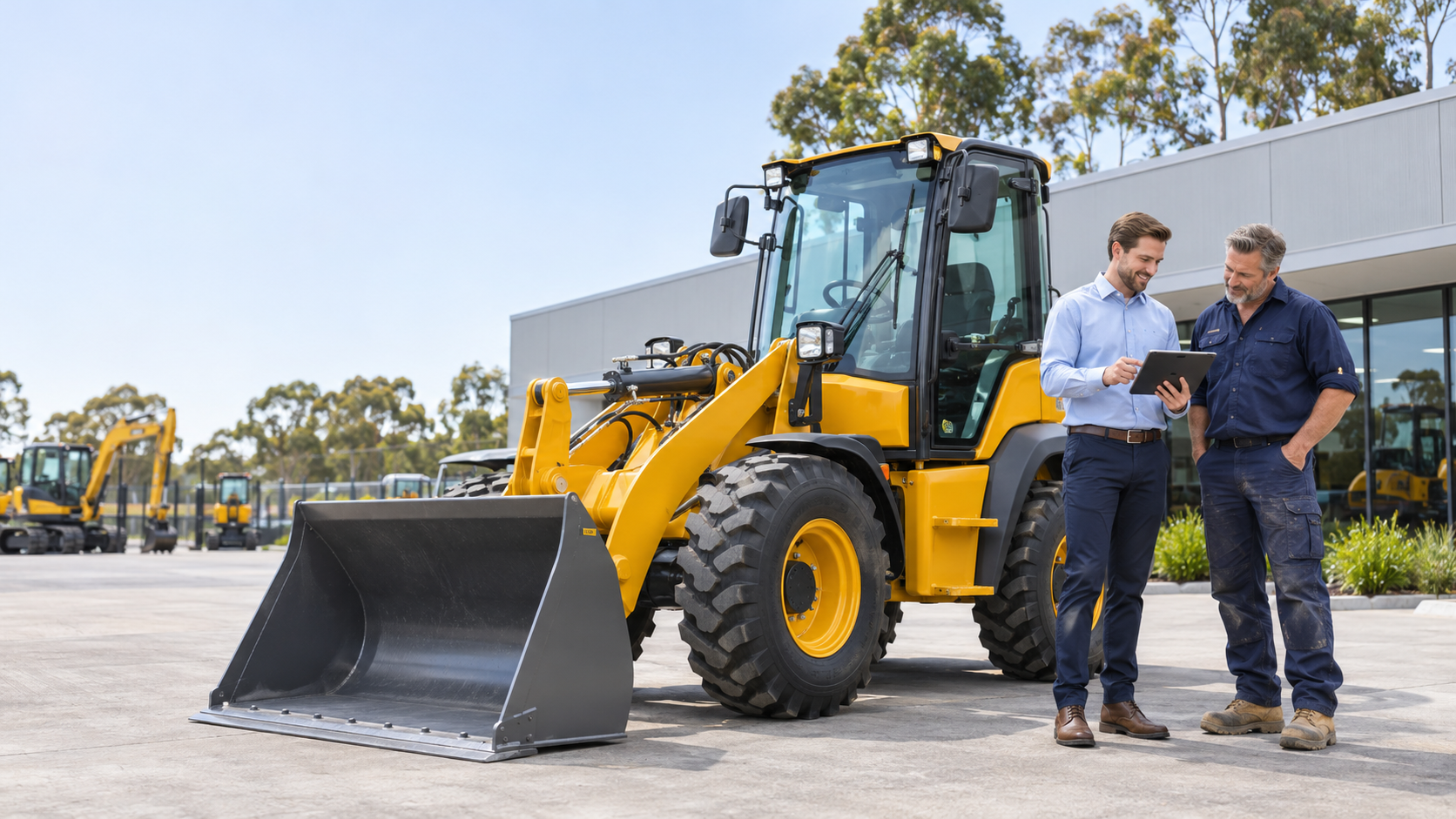
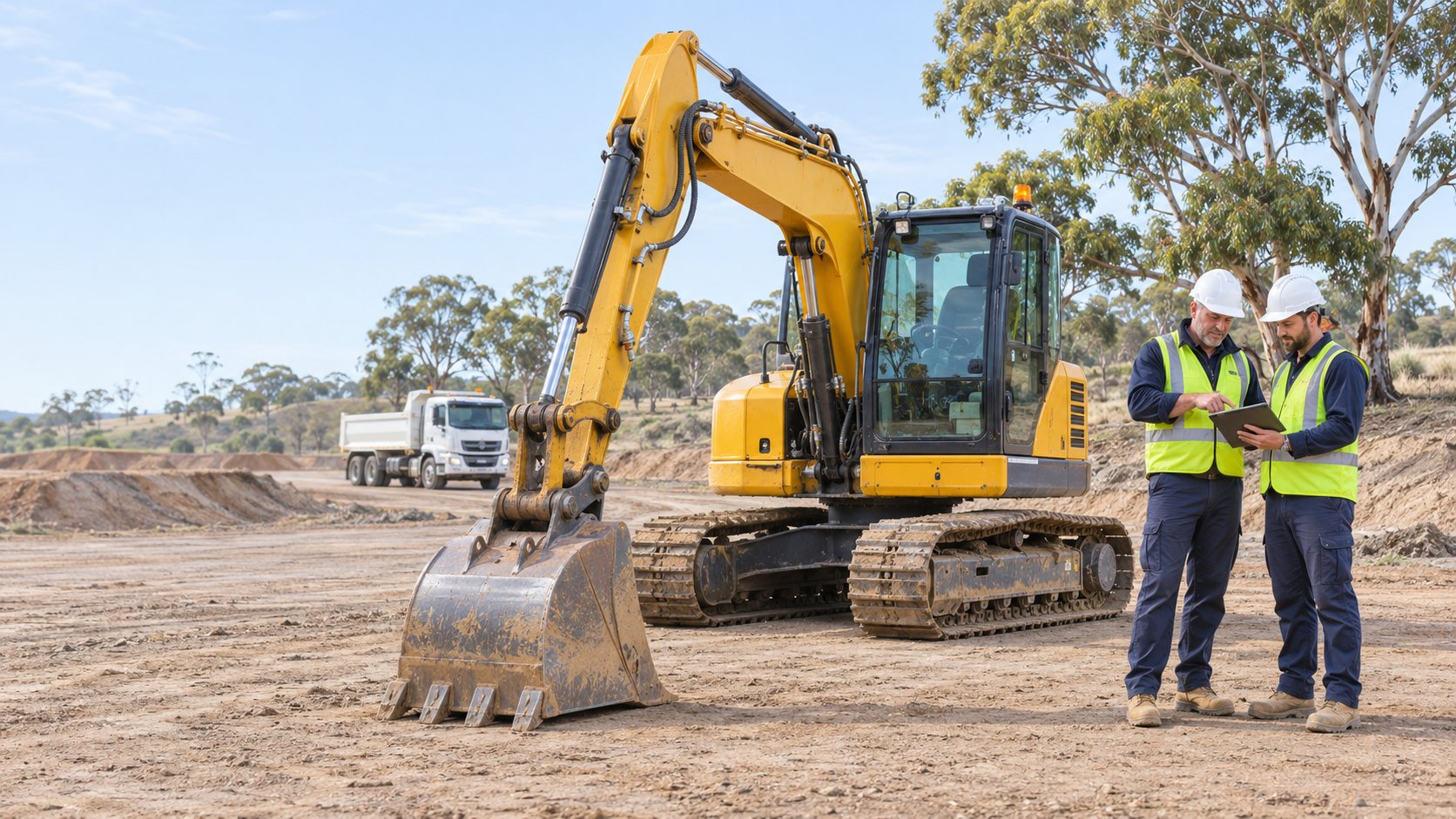
A new asset can help you meet customer demand, replace unreliable equipment or expand your hire offering. Before committing, it’s worth looking at how the purchase and its finance will fit the rest of the business.
The same applies when you’re not buying immediately. Understanding your existing commitments can help you prepare for replacements, manage quieter periods and identify funding questions before they become urgent.
These six checks provide a starting point for reviewing your hire fleet finance.
1. Check what each asset needs to earn
The purchase price and monthly repayment are only part of an asset’s cost.
Depending on the equipment and hire arrangement, you may also need to allow for servicing, repairs, insurance, storage, transport and labour. Periods between bookings affect the income available to cover those costs.
Review expected hire income against the full cost of owning and operating the asset. Use realistic utilisation assumptions, including a quieter scenario.
A busy machine does not necessarily produce a strong return if its operating costs leave little margin.
2. Compare the finance term with your replacement plans
How long do you expect to keep the equipment, and how will its condition and maintenance requirements change during that time?
A longer finance term may reduce regular repayments, but can increase total interest costs and leave debt outstanding later in the asset’s working life. A shorter term generally requires higher repayments.
Consider the proposed term alongside:
- The asset’s expected useful life.
- Its likely hours and intensity of use.
- Your usual replacement cycle.
- The cost and conditions of paying out the agreement early.
The aim is to understand how the debt will sit with your plans for the equipment.
3. Look at the full repayment commitment
Compare finance options using the whole arrangement.
Check the amount financed, repayment frequency, interest, fees and any final balloon payment. Consider these alongside the security and guarantee requirements.
If there is a balloon, identify how you expect to meet it. Selling the equipment, using cash reserves or applying to refinance each has different implications. Future resale values and refinancing approval should not be treated as certain.
This gives you a clearer picture of both the regular cost and the obligations still ahead.
4. Check what working capital remains
Fleet investment can create expenses before the new asset earns its first hire payment.
A deposit, delivery, accessories, preparation and initial operating costs may need to be funded alongside the purchase. Meanwhile, wages, suppliers and existing fleet costs continue.
Include the purchase and proposed repayments in your cashflow forecast. Allow for the timing of customer receipts and periods of lower utilisation.
Equipment finance and working capital serve different needs. Review them together so you understand what capacity remains for everyday operations after the investment.
5. Map the commitments already approaching
Looking at each agreement separately can make it harder to see pressure building across the fleet.
Create a simple schedule showing:
- Current repayments.
- Loan expiry dates.
- Balloon payments.
- Planned replacements and disposals.
- Equipment likely to need significant maintenance.
This can reveal several commitments falling due together. Identifying them early gives you time to discuss the options and prepare the information lenders may require.
6. Review your funding options before the next purchase
Lenders can differ in the equipment, asset ages and business circumstances they will consider. An arrangement that suited a previous purchase may not suit the next one.
Discuss upcoming requirements with your broker, including purchases that are still at the planning stage. Ask how potential options compare on cost, terms, security and their effect on your existing facilities.
Where relevant, involve your accountant and business banker so the funding discussion reflects the wider business position.
You don’t need to change a facility simply because another option exists. The value is in understanding your choices before making a commitment.
Turn the review into a practical fleet plan
Bring together your asset list, finance commitments, expected replacements and cashflow forecast.
That information provides a useful basis for deciding which purchases to investigate, what needs further analysis and when to start funding discussions.
MKP works with hire and rental businesses to assess finance in the context of their fleet and operations. Whether you’re replacing one asset or planning a larger investment, we can help you explore suitable funding options.
Talk to the MKP team about your fleet funding plans